

 Suche
Suche
 Mein Konto
AfD freestyle in Heilbronn: Frohnmaier as the top candidate for 2026!
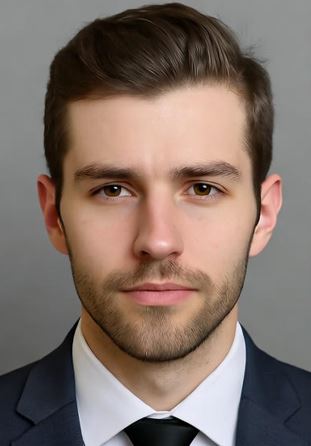
On May 31, 2025, the AfD in Heilbronn will elect Markus Frohnmaier as the top candidate for the 2026 state elections.

AfD freestyle in Heilbronn: Frohnmaier as the top candidate for 2026!
The Southwest AfD is about to take a decisive step in the political landscape of Baden-Württemberg. Next Saturday, May 31, 2025, the party plans to name Markus Frohnmaier as the top candidate for the 2026 state election. This nomination will take place in Heilbronn, where around 400 delegates will take part in the vote. It is the party's first convention to invite delegates only, which has proven to be a necessary measure to avoid organizational difficulties encountered at previous party conventions. The previous meetings often invited all members to participate, which complicated the process. Borkener Zeitung reports that Alice Weidel, the AfD leader and member of the Southwest regional association, is also expected in Heilbronn.
Markus Frohnmaier, the 34-year-old member of the Bundestag, hopes to have a significant influence on the election campaign with his candidacy. He has been a member of the Bundestag since 2017 and is Weidel's closest confidante. In the current political discussion, Frohnmaier has expressed his desire to establish the AfD as a people's party and sees himself as a possible prime minister. Despite his ambitions, he will not be on the state list, but plans to continue his work in the Bundestag if he is not elected head of government.
Campaign strategies and political perspectives
The state elections in Baden-Württemberg are scheduled for March 8, 2026. At a press conference in Stuttgart, Frohnmaier announced his candidacy and the central role he and the AfD want to play in the upcoming election campaign. According to Tagesschau, the AfD wants to convince in its election campaign with a comprehensive 9-point immediate program that includes aggressive measures to reduce energy prices, changes in migration policy and a revival of economic relations with Russia.
One of the central program elements is the call for a referendum on irregular migration, while the AfD is simultaneously seeking an exit from the nationwide refugee distribution. In addition, the party is calling for funds from climate protection measures to be redirected to finance an “energy rebate”. Frohnmaier emphasizes that a strong election result is crucial for the implementation of these programs. In the latest surveys, the AfD is given 19 percent of the vote, but partners willing to form a coalition are rare because other parties have largely ruled out working with the AfD.
Demonstrations and security policy situation
Parallel to the nomination event, the police are planning extensive security measures in Heilbronn, especially with regard to an announced demonstration and two rallies against the AfD meeting. These protests are expected to mobilize participants in the low four figures. The police receive support from other departments and from police headquarters to ensure that the event is carried out without violence.
While the AfD is refining its organizational structures and strategies, the fundamental importance of the political parties in Germany is not being ignored. Political parties, like the AfD, strive to win majorities in order to achieve their political goals. They differ from citizens' initiatives in their long-term organization and thematic breadth, as stated in the Landeskunde Baden-Württemberg.
The coming weeks will be crucial for the strategic positioning of the AfD and possibly also for the political landscape of Baden-Württemberg as a whole.